FOOTHILL FIRE HARDENING - A DIVISION OF FOOTHILL PAINTING
Keeping Home Insurance in a California Fire Zone
We are not an insurance company. We are the contractor who helps you complete and document the hardening work that insurers, the Safer from Wildfires program, and the FAIR Plan actually recognize.
We respond within 24 hours - usually the same day.
The Situation, Plainly
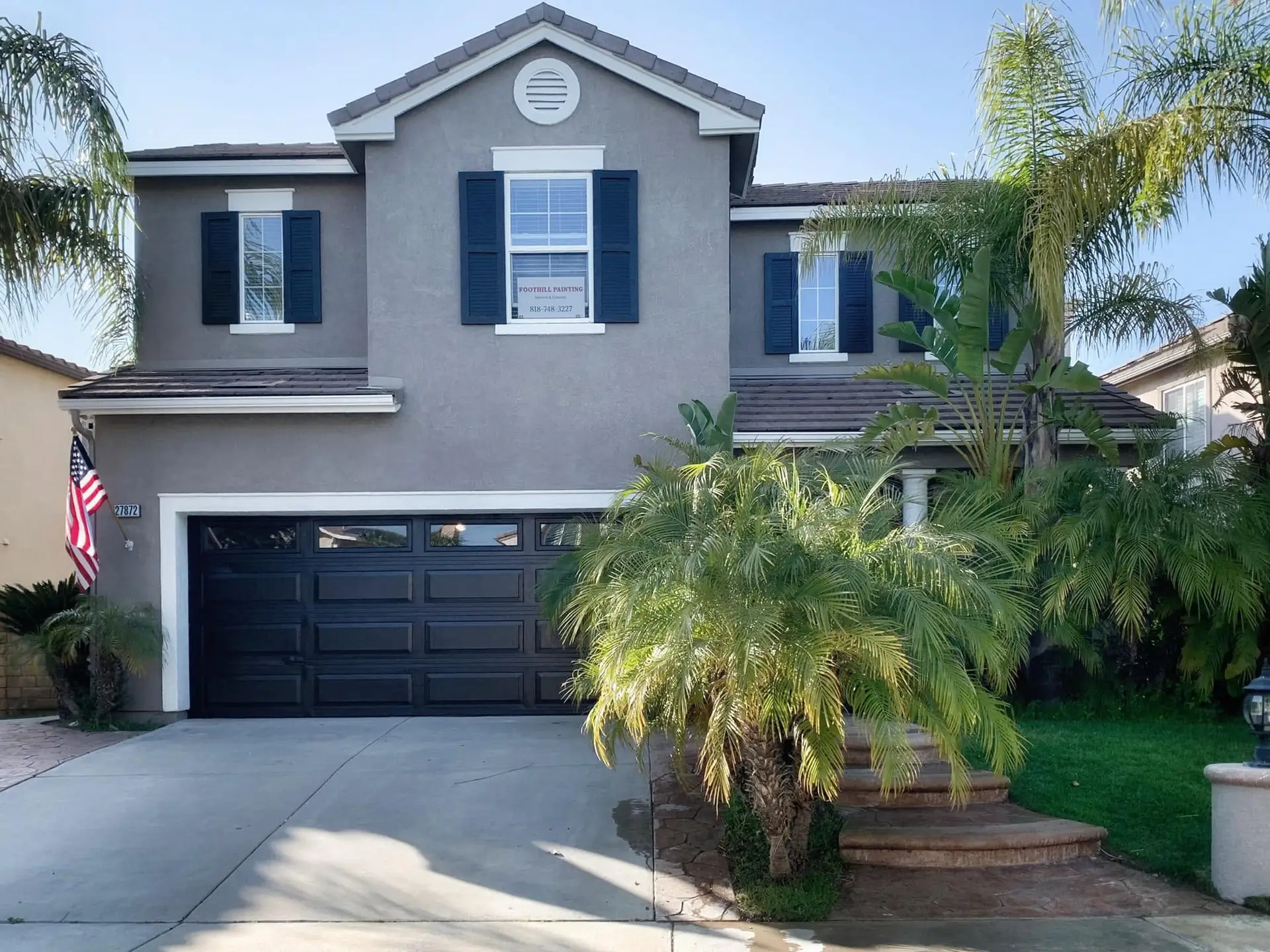
If you own a home in a Los Angeles-area fire zone, you have likely felt the home insurance pressure: non-renewal letters, premiums that doubled, or a move onto the California FAIR Plan.
The California FAIR Plan now holds roughly 668,000 policies, up from 154,000 in 2019. That four-fold surge tells you how many homeowners in fire zones have been non-renewed by admitted carriers. You cannot control the market. What you can control is how your specific house looks to the people pricing its risk.
That is where home hardening comes in. California law now requires admitted insurers that price for wildfire risk to offer discounts for documented mitigation, and the FAIR Plan runs its own hardening discount program. Completed, photographed, documented work is the currency both accept.
Why Insurers Pulled Back, and What They Reward Now
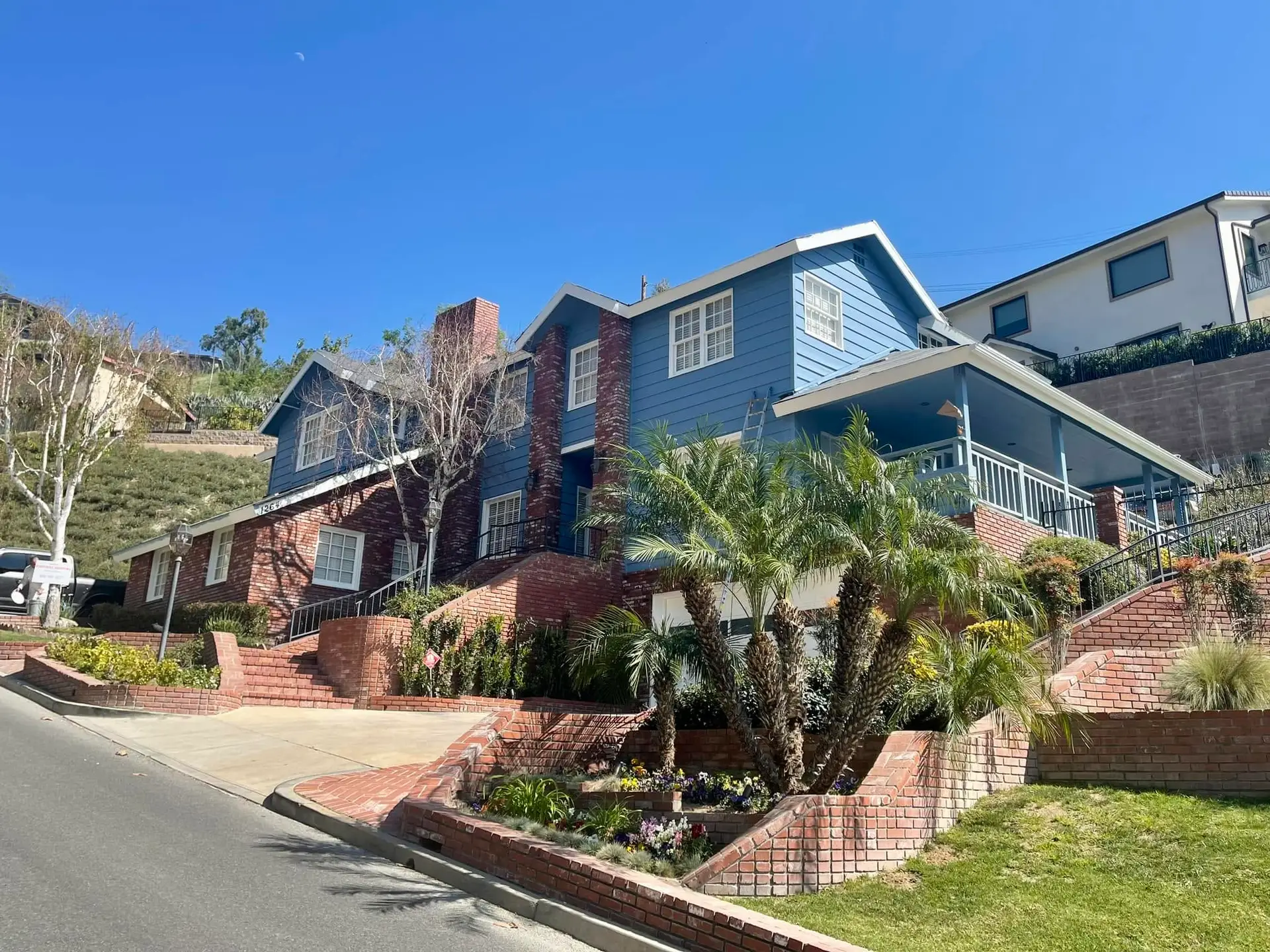
Underwriting models no longer stop at the ZIP code - they score the roof, the vents, and the vegetation on each house.
After years of catastrophic losses, insurers repriced wildfire risk across the state, and the 2025 Eaton and Palisades fires deepened the correction. Underwriting models now score individual properties - your roof, your vegetation, your vents - alongside your ZIP code.
The state's answer includes the Safer from Wildfires program: a regulation in effect since October 2022 listing 12 mitigation measures across community, defensible space, and home hardening categories that qualifying insurers must reward with premium discounts.
In January 2026, new laws extended this direction - AB 1 requires the Department of Insurance to keep the mitigation discount rules updated, and the California Safe Homes Act created a state grant program to help eligible homeowners afford hardening.
In 2026, the market began to shift back. State Farm filed plans to resume writing limited new policies tied to IBHS wildfire mitigation standards, and Allstate filed similar plans pending regulatory approval. Farmers pledged to re-enter approximately 300,000 consumers in distressed areas. For these carriers, mitigation is no longer a discount - it is an eligibility requirement. Documented hardening work determines whether you qualify for a policy, not whether you get a few percent off.
Where Homeowners Get Stuck
Stuck on one of these? Call (818) 748-3227 and talk it through with a contractor, not a call center - no pressure, no obligation.
What Hardening Realistically Does for Your Insurance
Here is our honest position: hardening improves your position, and nobody can promise you a policy or a price. Insurers make their own underwriting decisions, and any contractor guaranteeing coverage outcomes is overpromising.
What is on the books is still meaningful. The FAIR Plan's Wildfire Hardening Discounts, for policies effective November 15, 2025 or later, offer up to 12 individual discounts on the wildfire portion of premium for documented measures - cleared five-foot zones, ember resistant vents and other ember-resistant features, and more.
And documentation compounds. The same photo and product records that support a discount application also serve your AB 38 disclosure at sale, a defensible space inspection, and your next conversation with an admitted carrier.
How We Help You Build Your Case
Assessment Against Recognized Measures
We assess your home against the mitigation categories the Safer from Wildfires program and the FAIR Plan discount list actually use, and hand you a plain-language gap list.
The Hardening Work Itself
Fire retardant coatings, protected wood surfaces, and ember-resistant upgrades such as ember resistant vents, plus steel trim cladding of exposed wood eaves and soffits under our general contractor license - performed by our own W-2 crews, with referrals coordinated for work outside our trade, such as vegetation and fencing.
Insurer-Ready Documentation
Every project closes with dated photos, product data, and a completion record organized for discount applications and underwriting reviews. If you did qualifying work before us, we can document current conditions too.
Zone 0 & Brush Clearance Alignment
The measures insurers reward overlap heavily with what California's new Zone 0 rules and LAFD brush clearance already require. We plan the work once so it serves compliance and insurance together.
From Non-Renewal Notice to Documented Home
ASSESSMENT
A free walkthrough mapping your home against the recognized mitigation measures - the same categories the discount programs use.
GAP PLAN
A written list of what qualifies now, what needs work, whose trade each item belongs to, and rough costs.
THE WORK
We complete the coating and hardening scope; you or coordinated trades handle the rest on a clear division of labor.
THE FILE
You receive a complete documentation package to submit with discount applications and share with agents or carriers.
A Contractor Built for the Long Haul
Insurance pressure attracts pop-up operators. Foothill Painting has had the same family name on the door in Burbank since 1929, and our fire hardening division exists because longtime painting customers asked for help with exactly these letters.
We hold CA License #864996, our crews are W-2 employees, and our documentation standard comes from nearly a century of standing behind finished work.
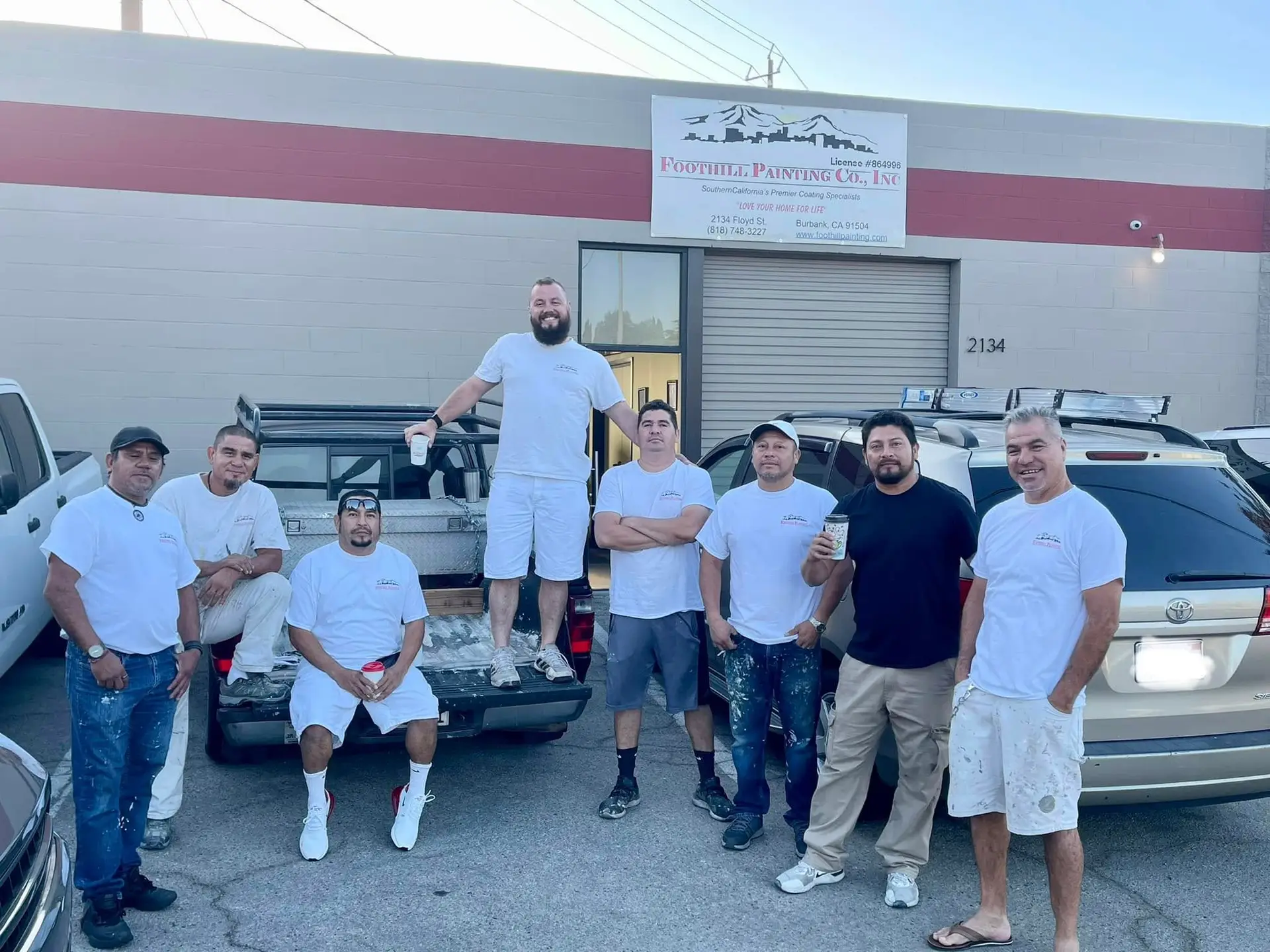
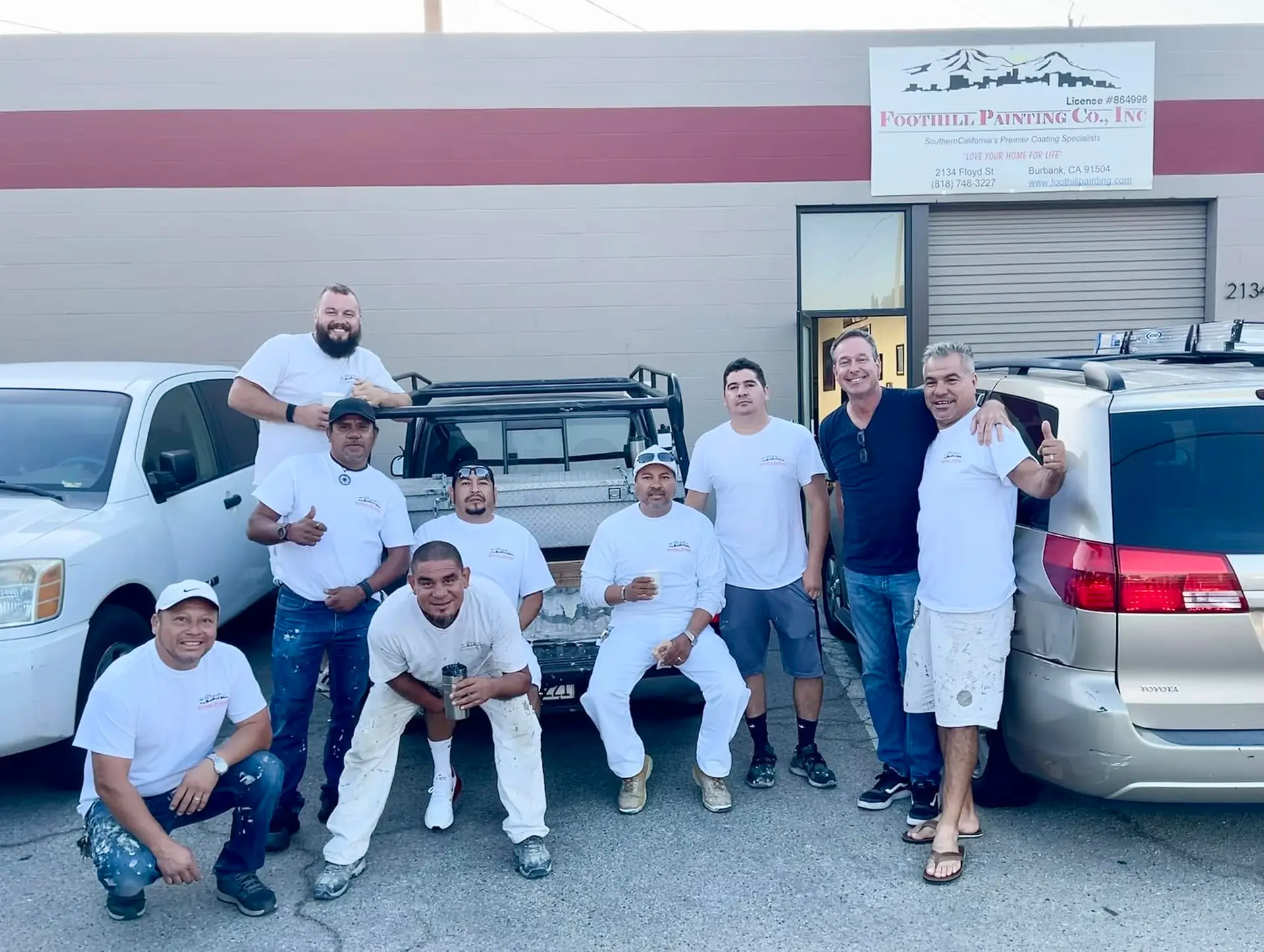
The W-2 crew behind every Foothill job - the same people who will be answering the phone next year.
Frequently Asked Questions About Home Insurance in California Fire Zones
Document Your Hardening Work for Your Insurer
A Foothill Fire Hardening assessment evaluates your home against the recognized hardening measures, completes the work you need, and provides documentation your insurer or broker can use.
Bring us the letter your insurer sent. We will tell you which items on it are ours, which are not, and what each roughly costs.