FOOTHILL FIRE HARDENING - A DIVISION OF FOOTHILL PAINTING
Zone 0 in California: The New 5-Foot Ember-Resistant Zone Rules
California approved statewide Zone 0 regulations in August 2026. Here is what the first five feet around your home must become, when the rules phase in, and how we help you get there.
We respond within 24 hours - usually the same day.
What Zone 0 Means for Defensible Space
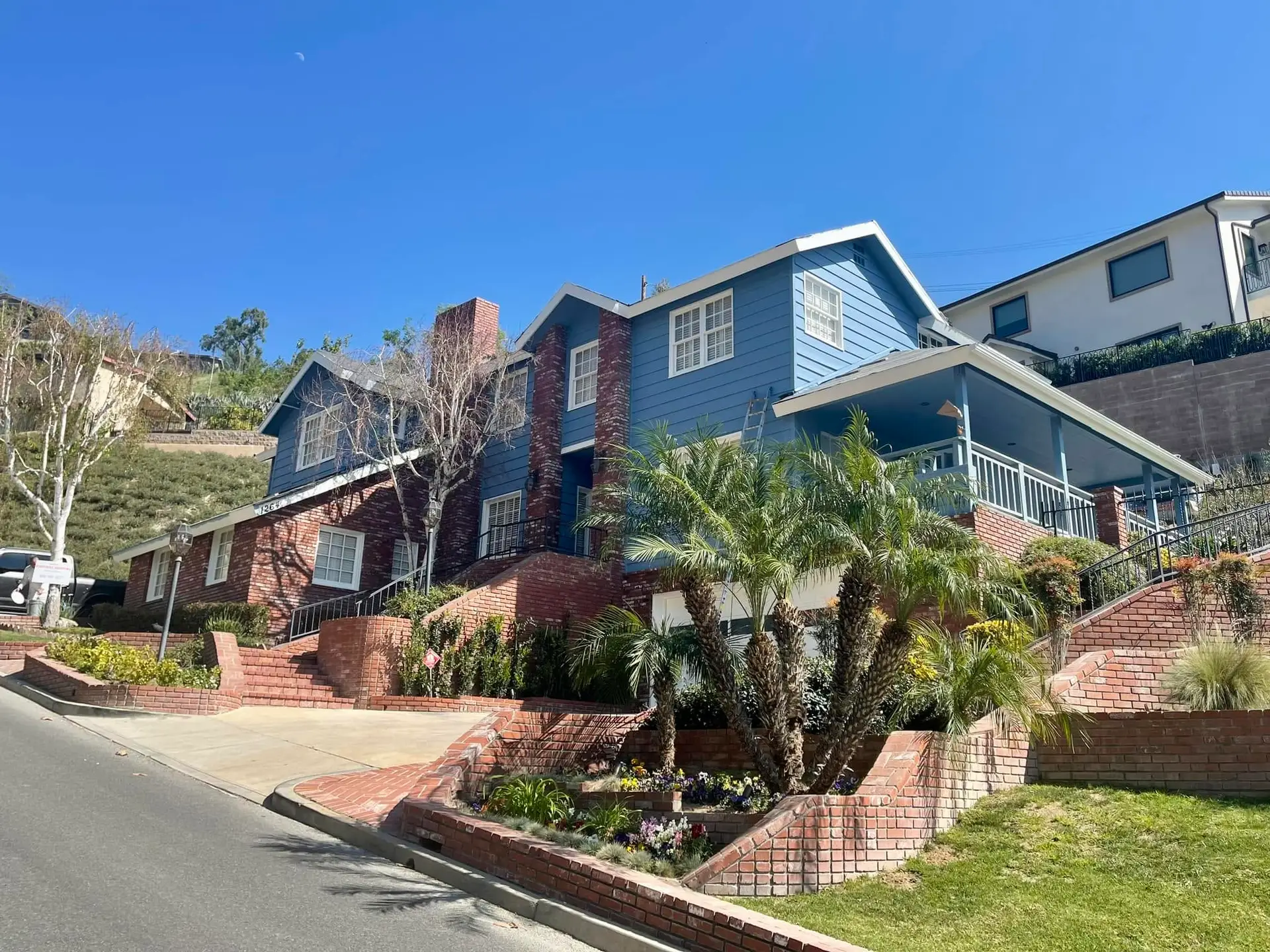
Zone 0 is the first five feet around your home - the ember-resistant zone. The idea is simple: when embers land next to your house, they should find nothing that burns.
The rule comes from AB 3074, passed in 2020, which directed the state to add this zone to California's defensible space law. On August 19, 2026, the Board of Forestry and Fire Protection voted 8-0 to approve the regulations - the first statewide rules of their kind in the nation. The regulations were submitted to the Office of Administrative Law on August 28, 2026, and the five-day public comment period closed September 2, 2026. Filing and an effective date are expected soon.
They apply to homes in State Responsibility Areas and Very High Fire Hazard Severity Zones, which across the Los Angeles foothills means much of the hillside and canyon housing we have painted for nearly a century - Altadena, La Canada Flintridge, the Verdugos, and beyond. Zone 0 is one piece of wildfire home hardening, and this page covers what the approved rules say and who does what.
Alongside Zone 0, the state's structural fire protection requirements moved from Chapter 7A of the Building Code into the new California Wildland-Urban Interface Code (CWUIC), Title 24 Part 7, effective January 1, 2026 - a sign of how seriously California is treating wildfire construction standards.
Why the First Five Feet Get Their Own Law
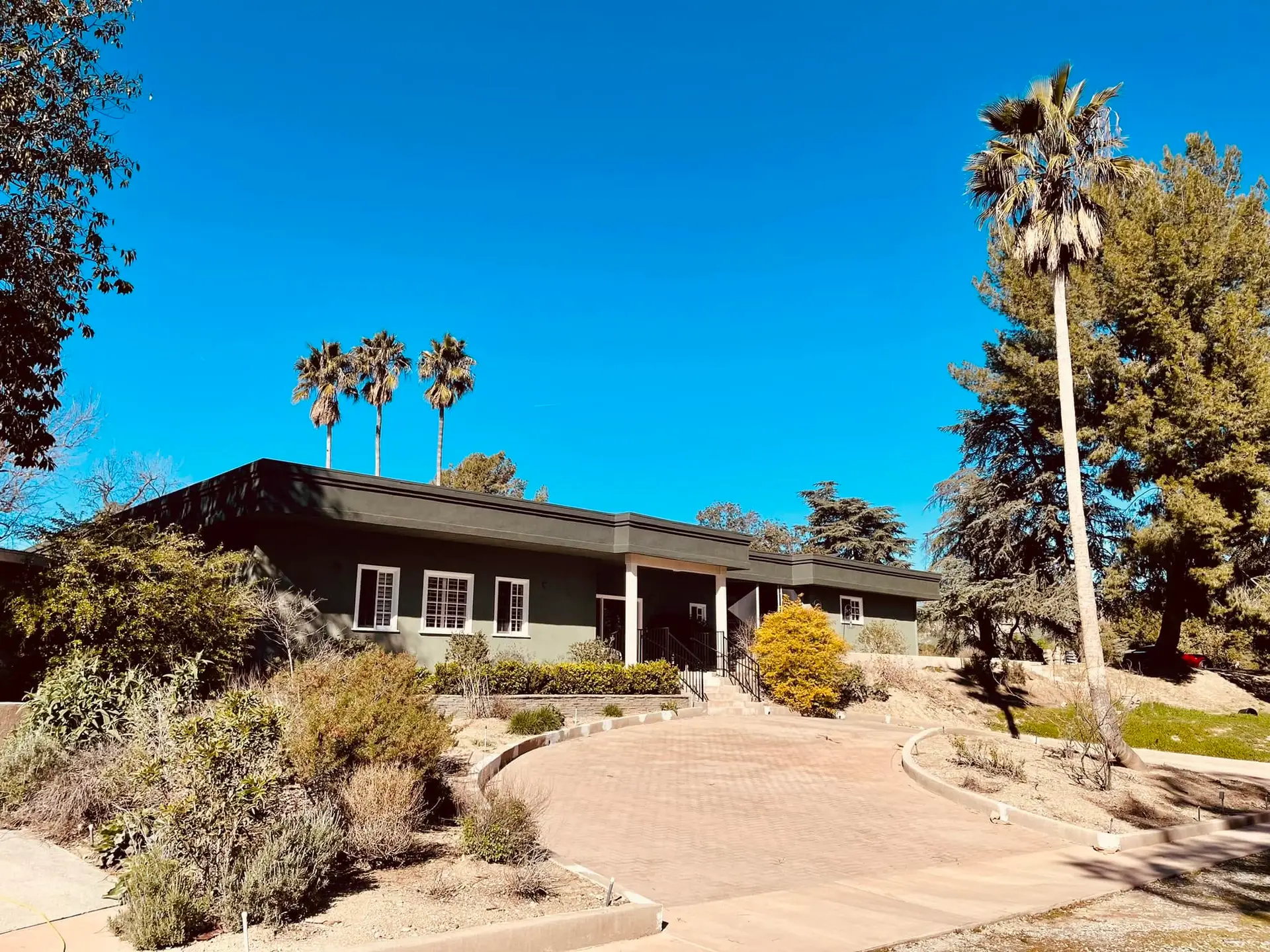
Planting, mulch, and fencing where they meet the walls - the five-foot band is where most ember ignitions begin.
Research after fire following fire found the same pattern: homes ignite from the material touching them. A juniper against the wall, bark mulch at the foundation, a wood gate connecting the fence to the siding, firewood under the deck - each is a fuse that lets a small ember become a house fire.
California's Office of the State Fire Marshal reports that 60 to 90 percent of wildfire home ignitions start with embers. The five-foot zone is where those ignitions most often begin, which is why regulators singled it out.
The 2025 Eaton and Palisades fires gave Los Angeles the hardest possible look at this. Many of the neighborhoods now rebuilding will do so under the new standard, and existing homes nearby have a phased runway to meet it.
What Homeowners Are Asking Us
Or call (818) 748-3227 and ask for a Zone 0 walkthrough - no pressure, no obligation.
The Timeline, As Approved
The approved regulations take effect once state administrative filing is complete, with compliance arriving in stages. Here is the schedule as it stands today:
WHO
WHAT
WHEN
New construction in SRA / VHFHSZ
Full Zone 0 compliance
Immediately, once regulations take legal effect
Existing homes - Phase 1
Remove combustible mulch, dead vegetation, firewood, lumber, and stored combustibles from the first 5 feet
Within approximately 3 years of the effective date
Existing homes - Phase 2
Address remaining items, including combustible fences and gates attached to the home and material under decks and eaves
Within approximately 5 years of the effective date
All LA City parcels in the VHFHSZ
Annual LAFD brush clearance (200 feet, grass to 3 inches)
By May 1 every year, inspections May-June
Home sellers in High/Very High FHSZ
AB 38 defensible space documentation + hardening disclosure
At sale, since July 2021 (expanded July 2025)
Local jurisdictions can fine-tune the statewide rules for factors like lot size and topography, so your city's final version may differ in details. When we assess your home, we check what applies to your parcel specifically.
How Foothill Fire Hardening Helps With Zone 0
Zone 0 Walkthrough & Written Assessment
We walk your first five feet and the attached structures, photograph what the rules will touch, and give you a written punch list sorted into now, Phase 1, and Phase 2. You leave knowing exactly where you stand.
The Structure Side of Zone 0
Much of Zone 0 compliance is about the house itself: protected vents at ground level, coated or protected wood elements, hardened surfaces where the zone meets the structure. That work - fire retardant coatings, finishes, ember-resistant upgrades - is what our crews do.
Honest Referrals for the Rest
Vegetation removal, hardscape, and fence replacement belong to other trades, and we say so. We help you scope that work and coordinate with the right people rather than pretending one company does it all.
Documentation
Before-and-after records formatted for defensible space inspections, insurance mitigation programs, and future AB 38 disclosure.
From Confused to Compliant
WALKTHROUGH
A free on-site review of your Zone 0 and the structure features the rules touch.
PUNCH LIST
A written, phased plan matching the regulation's own timeline, split into our scope, other trades, and DIY items.
HARDENING WORK
Our crews complete the coating and structure-side work; we coordinate referrals for the rest.
RECORDS
Photo documentation you can hand an inspector, an insurer, or a buyer - organized for any defensible space inspection, insurance review, or AB 38 disclosure.
We Were in These Foothills Before the Rules Existed
Foothill Painting has served Los Angeles-area homes from Burbank since 1929. The same streets in Altadena and La Canada Flintridge where our crews have painted for generations sit squarely in the Very High Fire Hazard Severity Zones these rules cover.
Fire hardening is a new division for us, built because our customers started asking these exact questions after 2025. We would rather be the company that answers them honestly than the loudest one in a gold rush.
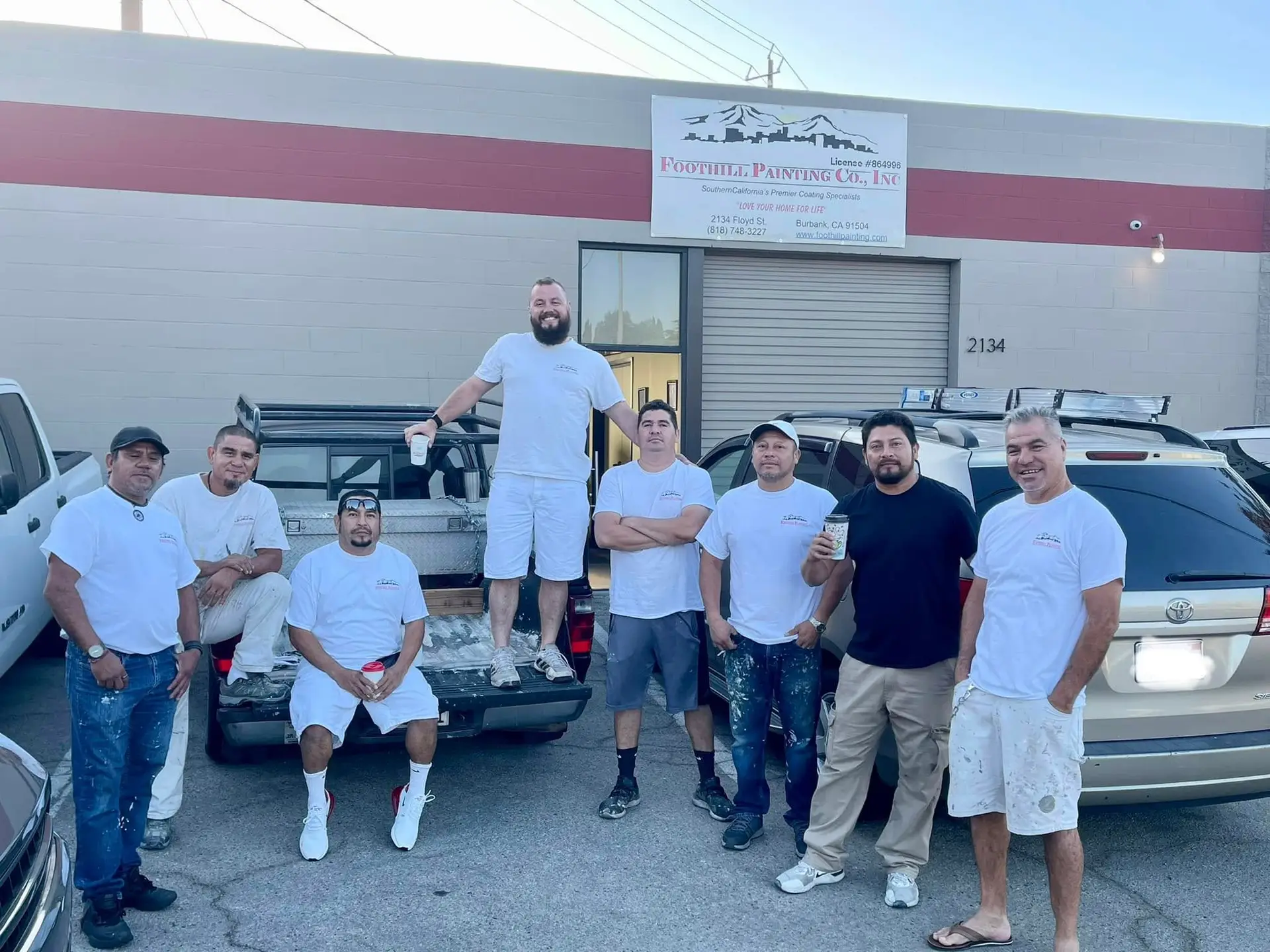
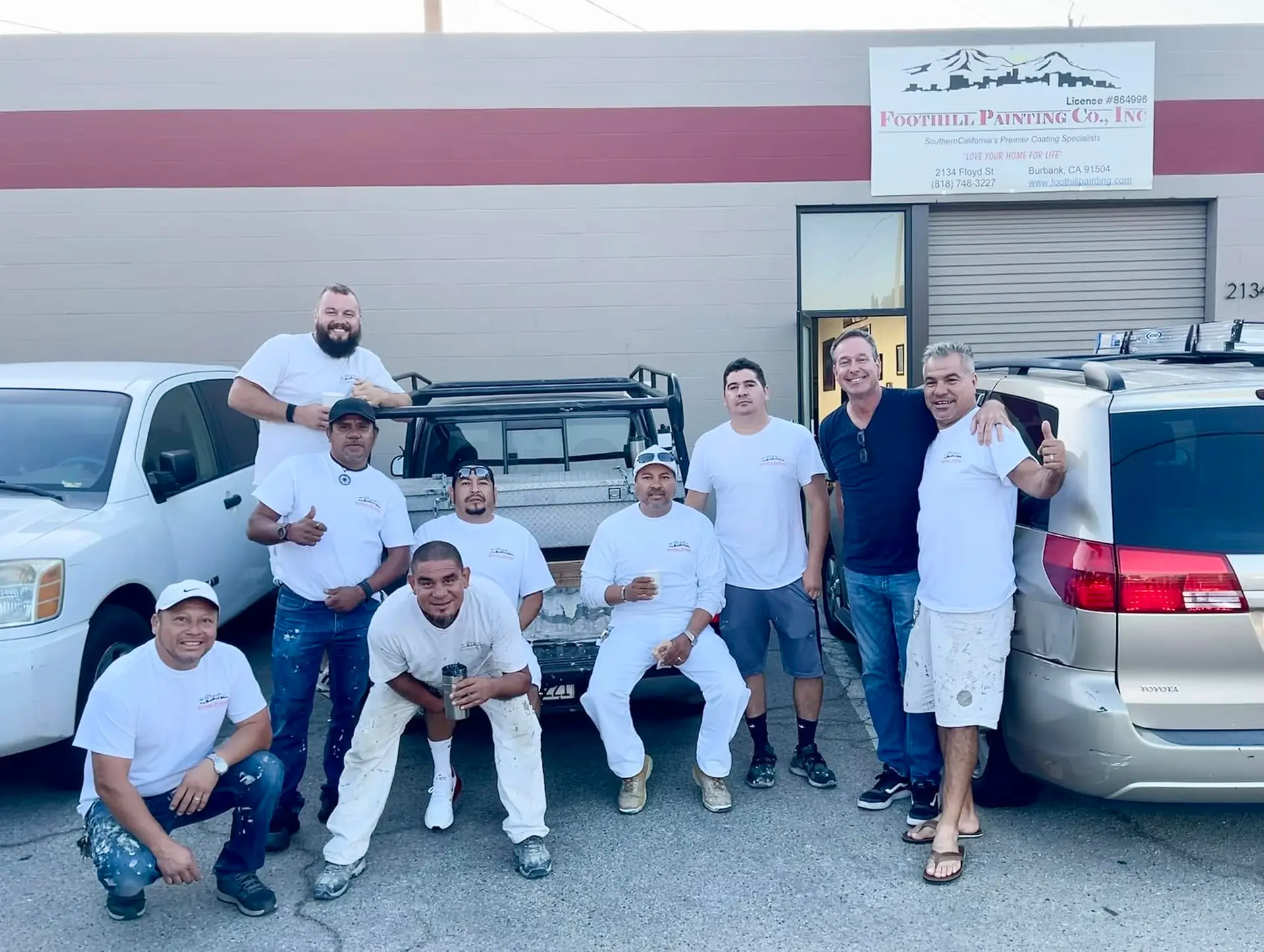
The W-2 crew behind every Foothill job - the same people who will walk your five-foot zone.
Frequently Asked Questions About Zone 0 and Defensible Space
Find Out Where Your Property Stands on Zone 0
A Foothill Fire Hardening walkthrough maps your home's 5-foot zone, identifies what needs to change, and gives you a clear plan with costs.
Five feet of your property just got its own state regulation. Find out what yours needs - free. Zone 0 is one piece of wildfire home hardening - see the whole picture on our fire hardening hub.