SILICONE ROOF COATING
Silicone Roof Coating for Flat Roofs That Hold Water
Silicone stands up to the puddles that wear other coatings away, holds up under decades of Southern California sun, and restores a tired flat roof without a tear-off. Applied by our own W-2 crews, family-owned since 1929.
We respond within 24 hours - usually the same day.
★★★★★
"Quoted me accurately, arrived & finished on time. Superior work and great attitude."
Amanda R., Google review
Why Silicone Is the Coating for Roofs That Pond
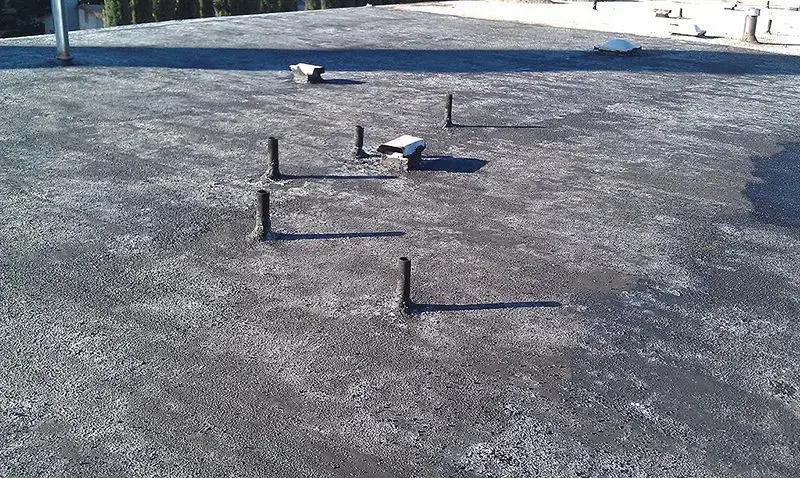
Most flat roofs in Southern California have at least one low spot where water sits for days after a storm. Water-based acrylic coatings soften under that standing water and slowly wear away. Silicone holds up under ponding water, so the corner that used to collect a puddle stays protected all winter.
It also holds up to the sun. Silicone resists UV breakdown without chalking the way many coatings do, stays flexible through hot days and cool nights, and goes on in a bright white that reflects heat away from the rooms below.
Foothill Painting has been family-owned since 1929. Our own trained W-2 crews do every silicone job, with a fixed price in a written contract, a written warranty, and a follow-up maintenance program that keeps both the roof and the warranty in good standing.
Silicone or Acrylic: How to Choose
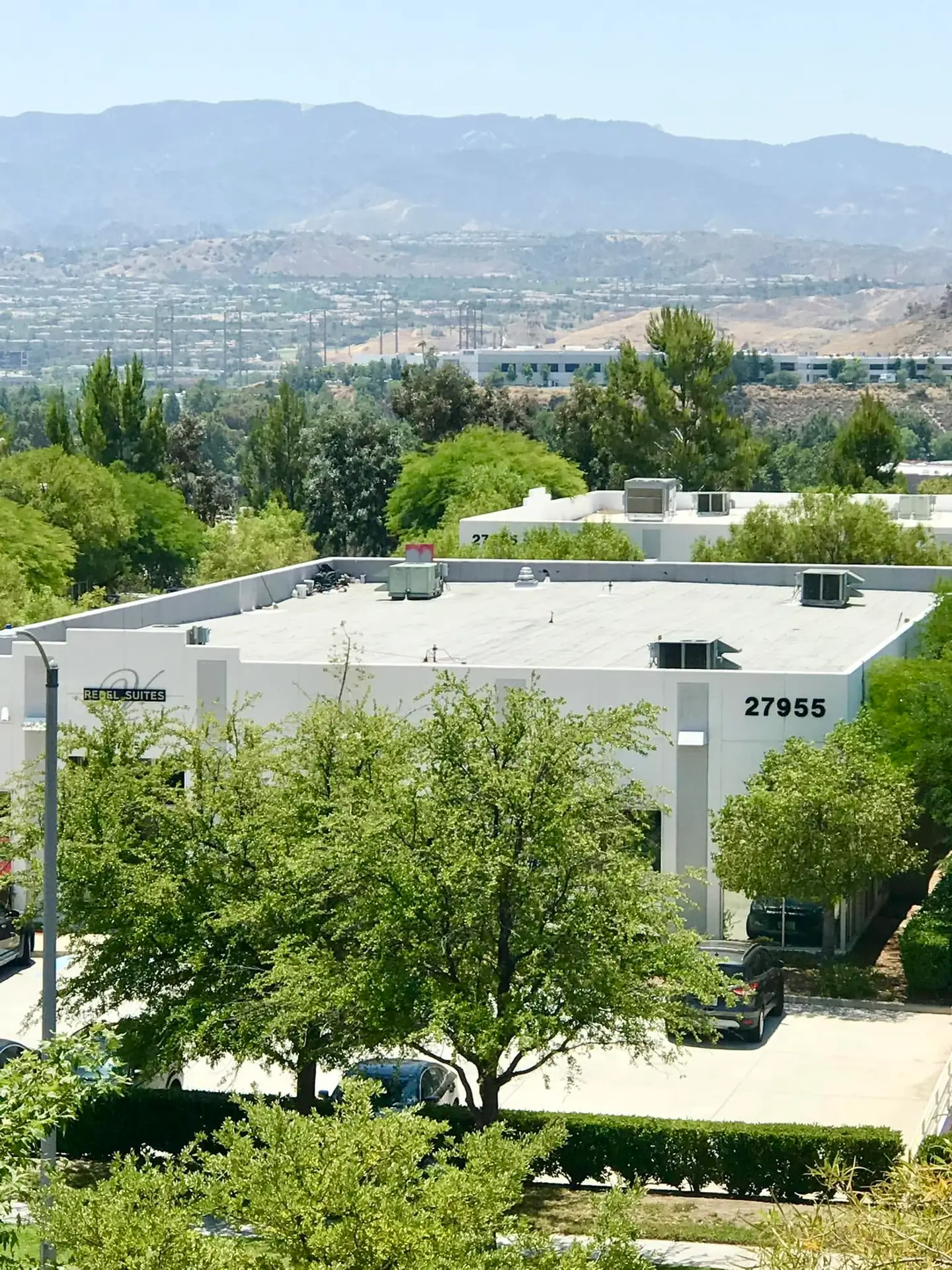
Most valley rooftops are flat, and most flat roofs have a low corner that holds water after every storm.
Acrylic is the right call for a lot of roofs. It costs less, comes in more colors, and works well on a roof that sheds water within a day or two of rain. When water drains off, acrylic gives you a reflective, durable finish at a lower price.
Silicone earns its higher price on roofs with ponding water, tight drainage, or heavy sun exposure, and for owners who want the longest stretch between recoats. It can also cure in cooler, more humid conditions than acrylic, which widens the work window outside of summer.
The trade-offs are real. Silicone collects more dirt than acrylic, gets slick when wet, and once a roof is silicone, only silicone will bond to it for future recoats. We walk you through all of it on the roof, so you choose with the full picture.
Signs Silicone Fits Your Roof
If two or more of these sound like your roof, silicone deserves a look. Call (818) 748-3227 for a free on-site inspection.
Why Ponding Water Shouldn't Wait
Every storm that leaves a puddle on your roof gives water a few more days to work into seams, soften old coatings, and find a way inside. The damage builds quietly until a ceiling stain shows up in January.
The fix gets more expensive the longer it waits. Wet insulation under a ponding area has to be cut out and replaced before any coating goes down, and a deck that stays wet long enough starts to rot.
Silicone works on roofs that are still sound. Coat while the membrane is dry and attached, and you protect it for years. Wait until the insulation is saturated, and the conversation turns to replacement.
Roofs We Coat With Silicone
Modified Bitumen & Built-Up Roofs
Granulated cap sheets and built-up asphalt roofs are cleaned, primed with a bleed-blocking primer so the asphalt can't stain through, and coated to a specified thickness.
Metal Roofs
Rust is treated, loose fasteners are reset or replaced, and seams and screw heads are reinforced before the silicone goes on, so the panels stay sealed through daily expansion and contraction.
Spray Foam Roofs
Silicone is a natural topcoat for spray polyurethane foam, shielding the foam from UV breakdown and renewing on schedule with a fresh coat.
Aged Single-Ply (TPO, EPDM, PVC)
Weathered single-ply membranes get a full wash, an adhesion test, and the primer the manufacturer names for that sheet before any coating is applied.
Concrete Roof Decks
Concrete decks are cleaned, checked for moisture, and primed, then coated to seal hairline cracks and reflect heat away from the space below.
Existing Silicone Roofs
A worn silicone roof can be cleaned and recoated with fresh silicone, which costs far less than the first coating because the base system is already in place.
Apartment, HOA & Commercial Roofs
Large flat roofs over occupied buildings, scheduled around tenants and phased when needed. See our commercial and HOA roof coating services.
How a Silicone Roof Coating Project Runs
ROOF INSPECTION
An estimator walks the whole roof, maps every ponding area, checks for trapped moisture and soft spots, and tells you honestly whether silicone makes sense or another option fits better.
WRITTEN PROPOSAL
You get a fixed written price that names the product, the number of coats, the target thickness, and the gallons it takes to reach it, along with every repair and the warranty terms.
CLEANING & PREP
The roof is pressure washed and left to dry, so the silicone bonds to the roof surface instead of to dirt, chalk, or loose granules.
REPAIRS & SEAM SEALING
Open seams, blisters, cracked flashings, and penetrations are repaired and reinforced with fabric, because a coating is only as strong as its weakest detail.
PRIMING & ADHESION TEST
Where the surface calls for it, a primer goes down first, and a test patch is pulled to confirm the silicone will stay bonded before the full roof is coated.
SILICONE APPLICATION
The silicone is applied at the manufacturer's specified rate and checked with a wet-film gauge as it goes on, which is what qualifies the roof for the full manufacturer warranty.
WALKTHROUGH, WARRANTY & MAINTENANCE
We walk the finished roof with you, hand over your written warranty, and enroll the roof in our follow-up maintenance program of scheduled inspections and recoats.
Roof Coating Work From Burbank to Pasadena

Flat commercial roof - stained and weathered before, now sealed under a reflective white membrane.
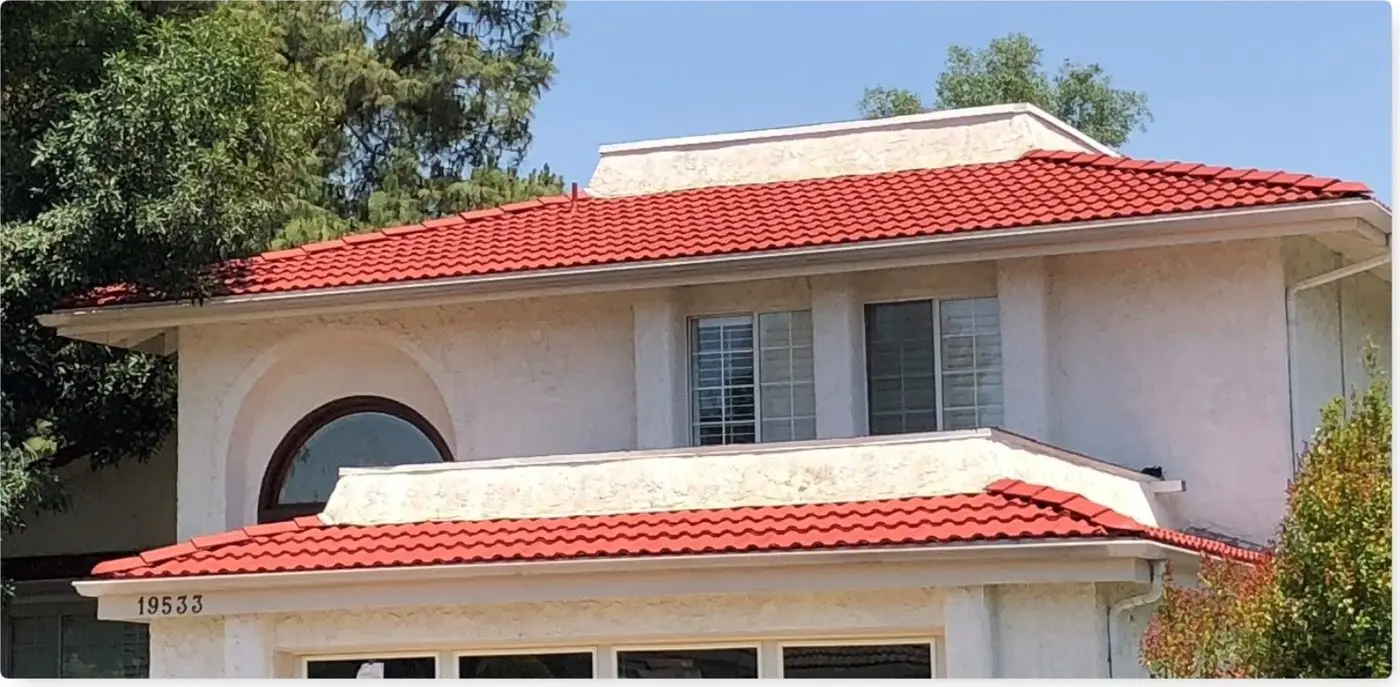
Clay tile roof recoated in fresh terracotta - faded and patchy before the coating went on.

Church roof - darkened and worn before, recoated in a clean light gray.
Our crews coat roofs across the area every week, from Burbank and Glendale to Pasadena, the foothills, and Santa Clarita.
Frequently Asked Questions About Silicone Roof Coating
Find Out If Silicone Fits Your Roof
Tell us about your roof. A Foothill Painting estimator walks it, checks the drainage and the surface, and gives you a written price for the coating that fits, whether that is silicone or another system.
Comparing options? See all of our roof coating services or read the elastomeric roof coating guide.