FOOTHILL FIRE HARDENING - A DIVISION OF FOOTHILL PAINTING
Ember Resistant Vents for Los Angeles Foothill Homes
Your attic and crawlspace vents are open doors during an ember storm. We assess every vent on your home and help you close those doors with ember resistant vents and State Fire Marshal listed protection.
We respond within 24 hours - usually the same day.
What Ember Resistant Vents Are
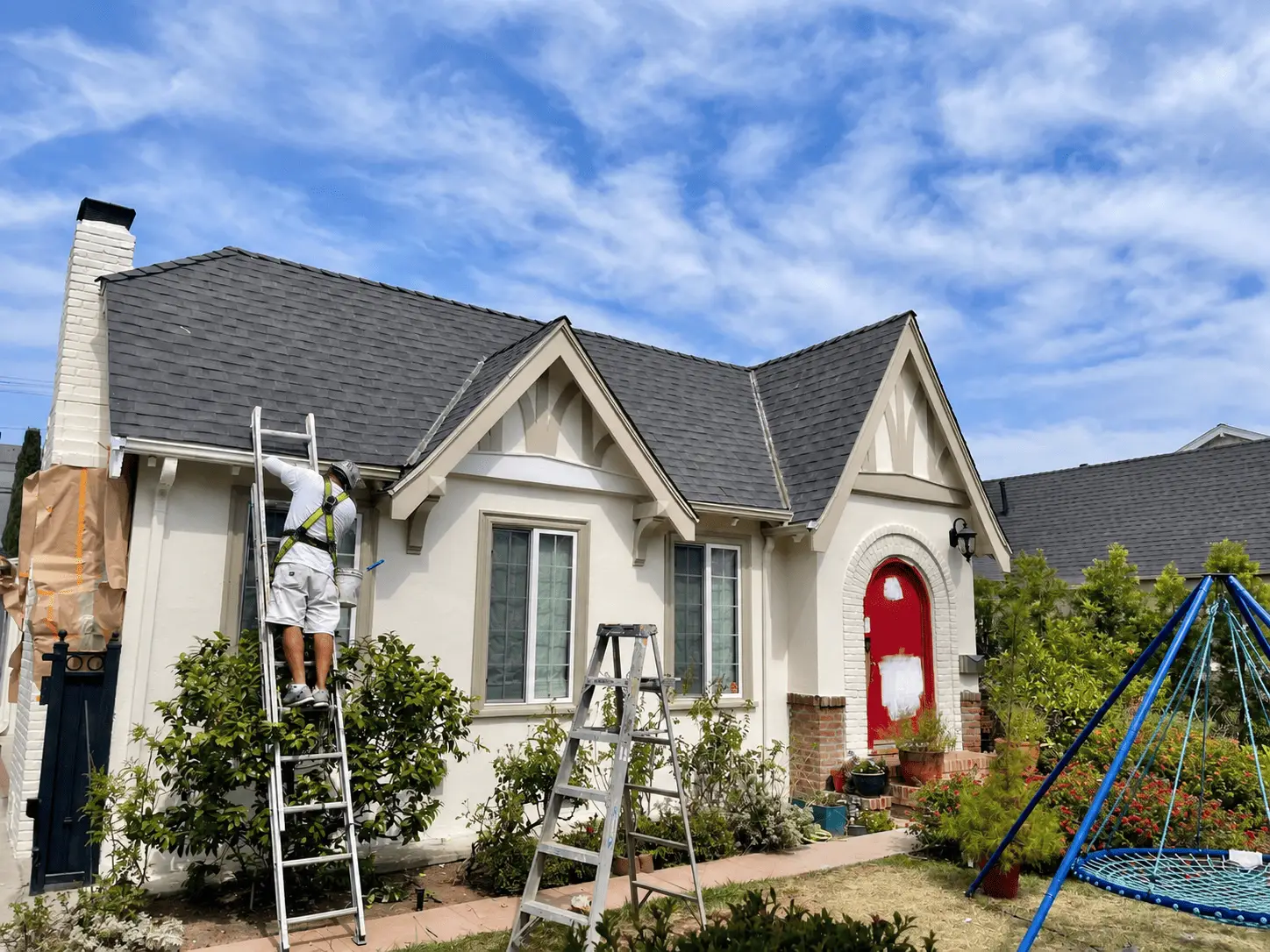
Every home breathes through vents - in the attic gables, under the eaves, along the foundation, on the roof. Standard mesh stops birds. It does not stop embers.
Quarter-inch or larger screen lets windblown embers sail straight through into the driest, most flammable spaces in your house. Ember resistant vents - also called fire resistant vents - solve this two ways: fine corrosion-resistant metal mesh, with openings between 1/16 inch and 1/8 inch, physically blocks most embers, and listed ember-resistant vents go further with baffles or intumescent honeycomb designs that close against flames and ember streams.
California Building Code Chapter 7A already requires ember- and flame-resistant vents on new construction in wildfire zones. On an existing home, retrofitting them is one of the highest-value upgrades in wildfire home hardening.
Why Vents Are a Leading Way Homes Ignite
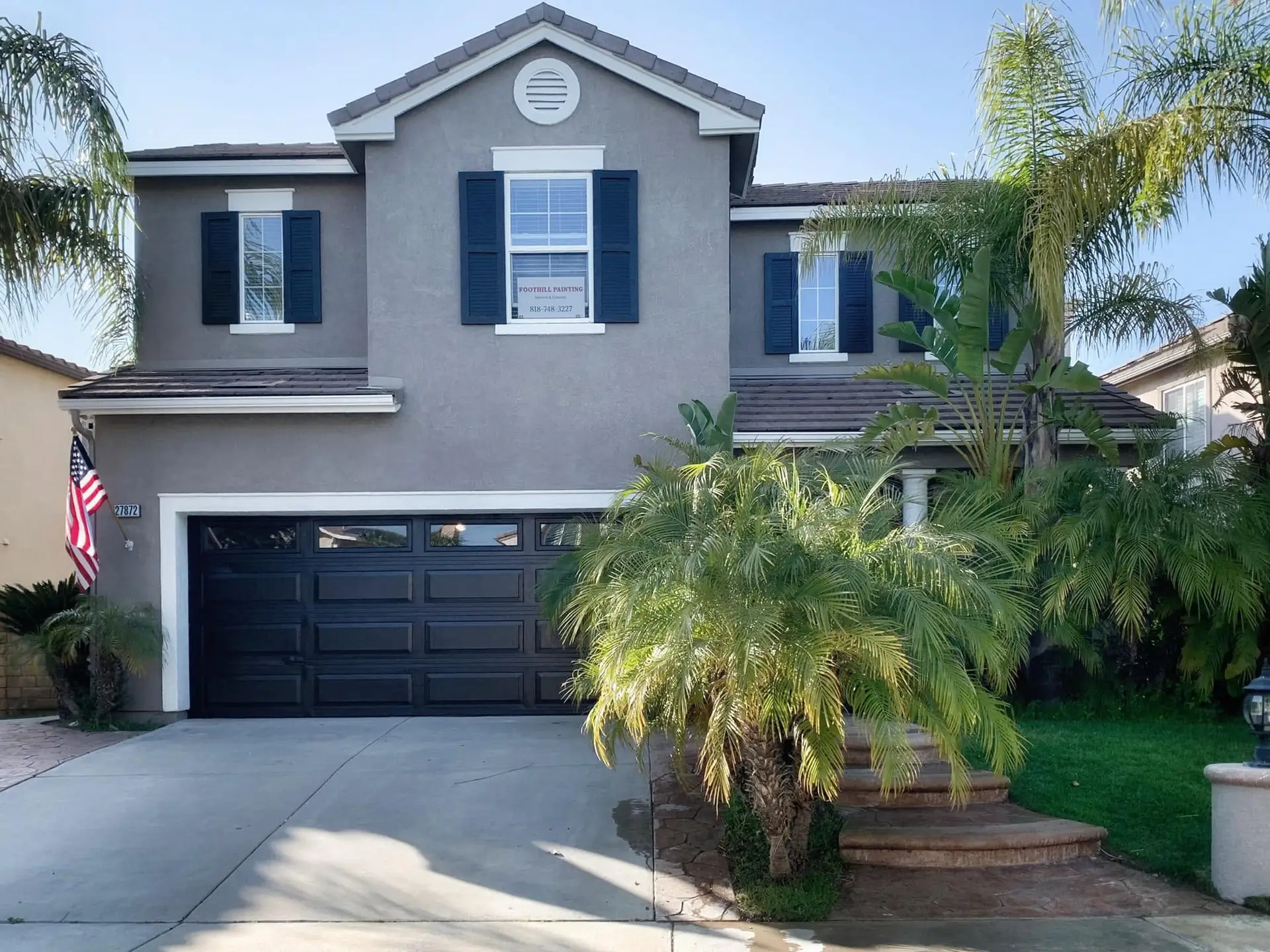
Gable, eave, and foundation vents ring every home - each one opens straight into the attic or crawlspace.
The Insurance Institute for Business & Home Safety reports that as many as 90 percent of structures destroyed in wildfires are first ignited by embers rather than the flame front. Vents are among the most direct paths those embers take, because they open straight into attics and crawlspaces.
Think about what lives on the other side of a vent: dry framing lumber, paper-faced insulation, stored boxes, decades of dust. An ember that lands there can smolder unseen while the fire passes, and homes have burned hours after the front moved through.
Most LA-area homes predate Chapter 7A, which took effect for new wildfire-zone construction in 2008. If your house is older and its vents have never been upgraded, they almost certainly do not meet the ember-resistance standard.
Or call (818) 748-3227 and ask for a vent assessment - no pressure, no obligation.
Common Vent Problems We Find on Foothill Homes
A Small Upgrade With Outsized Protection
Vent protection is one of the least expensive line items in home hardening, and it addresses a direct ignition path.
That is why vent upgrades appear on the State Fire Marshal's low-cost retrofit list that AB 38 now requires sellers to disclose against when a home in a fire severity zone changes hands - and they count toward the structure side of Zone 0 requirements.
It also shows up where money is decided. Upgraded vents are among the hardening measures recognized under California's Safer from Wildfires regulation, and the FAIR Plan's hardening discount program (policies effective November 15, 2025 or later) rewards documented ember-resistant features.
An assessment costs you nothing. Knowing which of your vents would fail an ember storm is worth having on paper either way.
Our Ember Resistant Vent Services
Full-Home Vent Assessment
We locate and photograph every vent on your home - attic, gable, soffit, eave, foundation, roof - and grade each against Chapter 7A ember-resistance standards. You get a written report you can act on with us or on your own.
Ember-Resistant Retrofit Solutions
For each vent, we identify the right fix: retrofit-ready ember mesh, a listed ember-resistant replacement vent, or a listed cover product. We specify State Fire Marshal WUI-listed products and coordinate installation with licensed specialty partners while we handle assessment, product selection, and finish work.
Coordination With Coating Work
Vent retrofits pair naturally with the exterior work we have done for nearly a century. Crews already on your eaves for fire retardant coatings can fold vent protection into the same project, with one company coordinating the result.
Documentation for Insurance and Disclosure
Every retrofit is photographed before and after, with product listings recorded - the insurance documentation format insurers, the FAIR Plan, and AB 38 disclosures call for.
How a Vent Project Works
ASSESSMENT
A walkthrough of every vent on the structure, photographed and graded, usually within a week of your call.
WRITTEN PLAN
A per-vent recommendation with product options and pricing - no bundled mystery quote.
RETROFIT
Installation is coordinated with licensed specialty partners while our crews handle the finish work, with colors matched so protection does not cost you curb appeal.
RECORD
You receive the photo record and product documentation for your insurance and home files.
Why Trust a 97-Year-Old Company With a New Problem
Foothill Painting has worked on Los Angeles eaves, soffits, and exterior work since 1929. Fire hardening is a new division for us, and vents are new territory for every local company - Chapter 7A itself only dates to 2008, and the retrofit market is younger still.
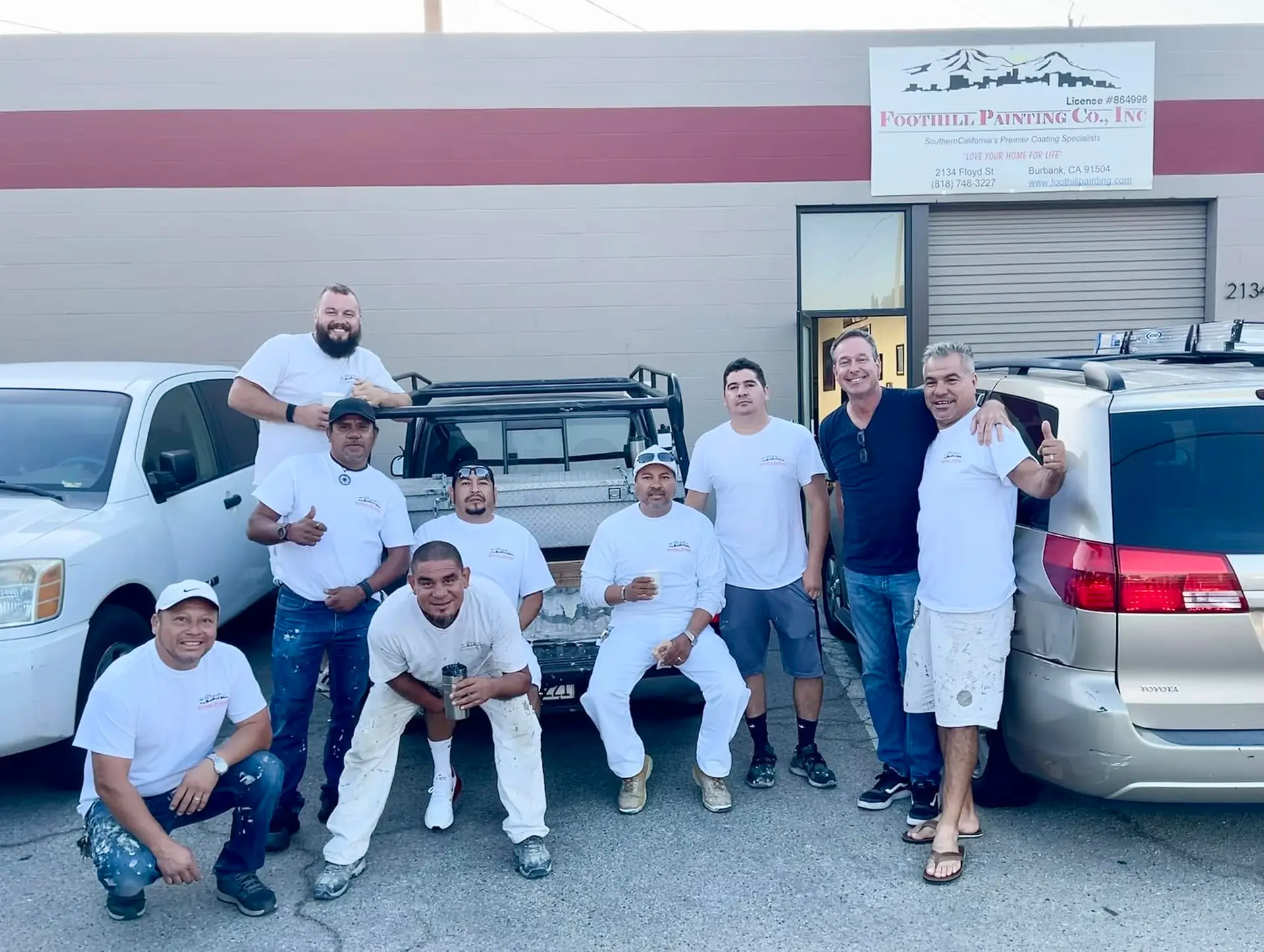
What is not new is how we work: W-2 crews, a Burbank address you can visit, and a license number (CA #864996) you can look up tonight.
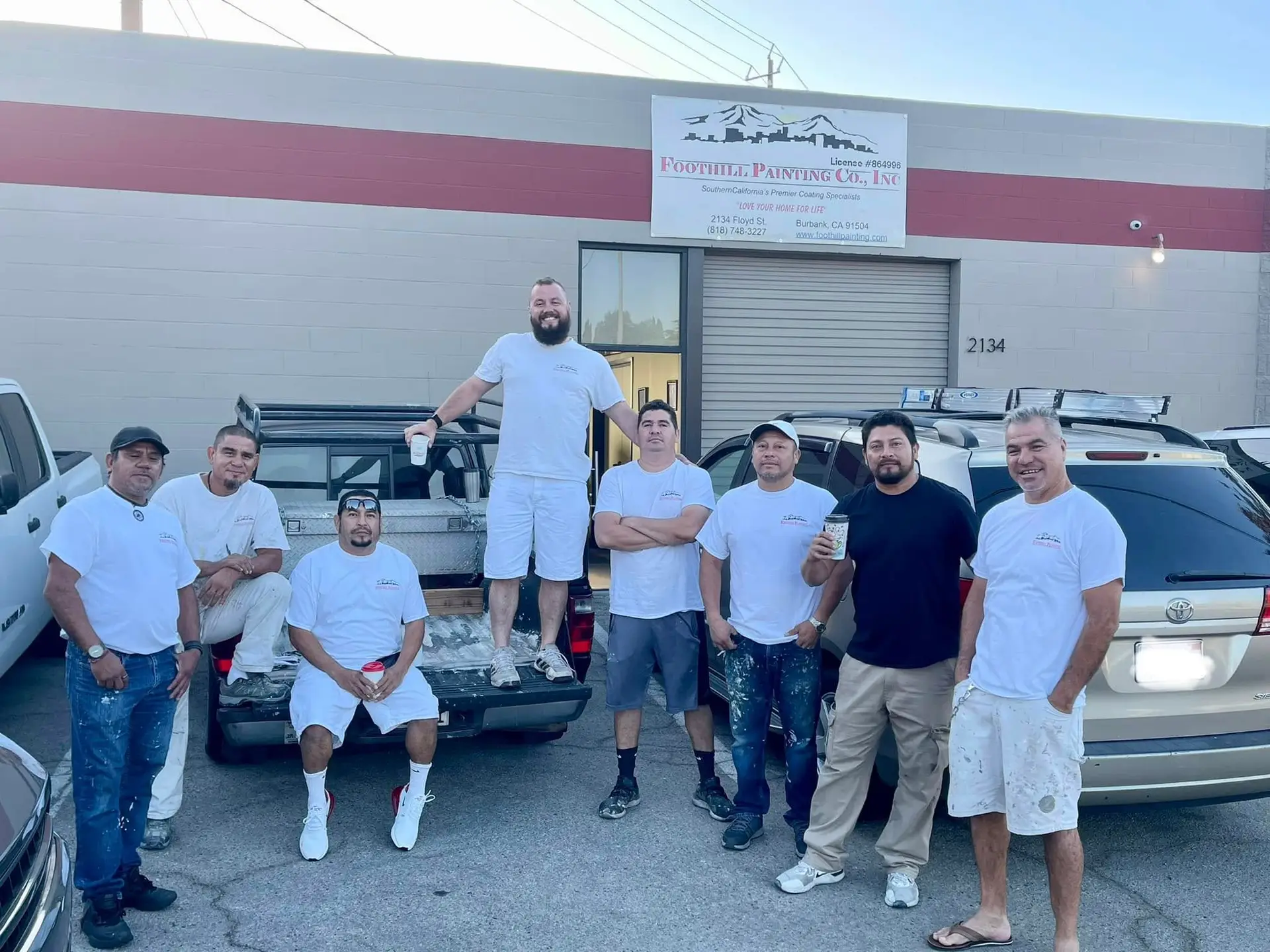
The W-2 crew behind every Foothill job - the same people who will grade every vent on your home.
Frequently Asked Questions About Ember Resistant Vents
Get Your Vents Assessed
Most homeowners do not know which vents are exposed. A Foothill Fire Hardening assessment maps every vent opening on your home and shows you what needs attention.
Get every vent on your home graded before the next wind event - free, written, yours to keep. Vent protection is one piece of wildfire home hardening - see the whole picture on our fire hardening hub.